
Evernest Property Management Blogs
Can I do a ‘Lease-Only’ Agreement with Evernest?
If you’re a landlord trying to decide how to handle management for your rental property, you may have thought about using lease-only services for marketing and resident placement. Here at Evernest, we offer lease-only services in some of our markets for landlords who prefer to manage their properties themselves. But, to be totally transparent, we often find that full property management services are preferable for a few different reasons. In this article, we’ll explore what a lease-only agreement is, how it compares to full property management, and why you might choose one over the other. Let’s dive in!


My Tenant Won't Let Me In The Home - What Should I Do?
As a rental property owner, there will inevitably be times where you need access to your property while it’s occupied by a resident. Whether it's an emergency or a non-emergency, knowing your rights and handling the situation professionally is crucial. In this article, we’ll provide you with some clear, actionable information on what to do if your resident refuses entry so you’re prepared for nearly any situation. Let’s get started!
Can I Rent My Home Fully Furnished? The Answer Might Surprise You
One of the most frequently asked questions by DIY landlords is, “can I rent my home fully furnished?” This is especially applicable if you're currently living in the home and are considering moving due to a job change or other milestone but may want to return in the future. While the idea of leaving furniture in your property and returning to familiar surroundings is tempting, professional property managers like Evernest typically don't rent out homes that are fully furnished. In this article, we’ll explore why as well as cover some alternatives you might have if you want to rent your home while keeping your furniture onsite.

Can You Rent Your Home to be Cashflow Positive?
Whether a property will be cashflow positive if turned into a rental is usually the first thing potential landlords wonder. Basically: Can you rent your home to cover the expenses of your mortgage, utility bills, and property taxes AND still earn a little income from the property? Unfortunately, the answer is not an automatic yes. It depends on factors including the average market rental rates in your area, the interest rate on your mortgage, and more. In this article, we’ll guide you through the essential steps to determine if renting your home can make some financial sense and offer a few strategies to maximize your rental income. Let’s dig in!
Sewer Line Inspection - Prevent Worsening Damage
When purchasing a new home, it’s best practice to hire a professional property inspector to conduct a thorough inspection of the interior and exterior of the property. Usually, this inspection includes a sewer line inspection, where the inspector will snake a camera through your exterior sewer line pipe to determine if there are any breakages or interruptions that would prevent sewage from making it from your home to the municipal sewer line.
Everything Landlords Need to Know About the Security Deposit Return Letter
Every resident feels entitled to receive their security deposit returned in full, but rarely is that the case. You, as the landlord, have an uncomfortable burden in detailing any damage that has been done and why any funds are being withheld. Additionally, there are legal requirements around how quickly you communicate this information to your residents. The Security Deposit Return letter must be comprehensive and timely in its receipt.

How to Conduct a Move-Out Inspection
This article will walk you through the essential steps of a move-out inspection, from conducting a thorough walk-through with your resident to planning necessary repairs, and how a professional property manager can ease the process.
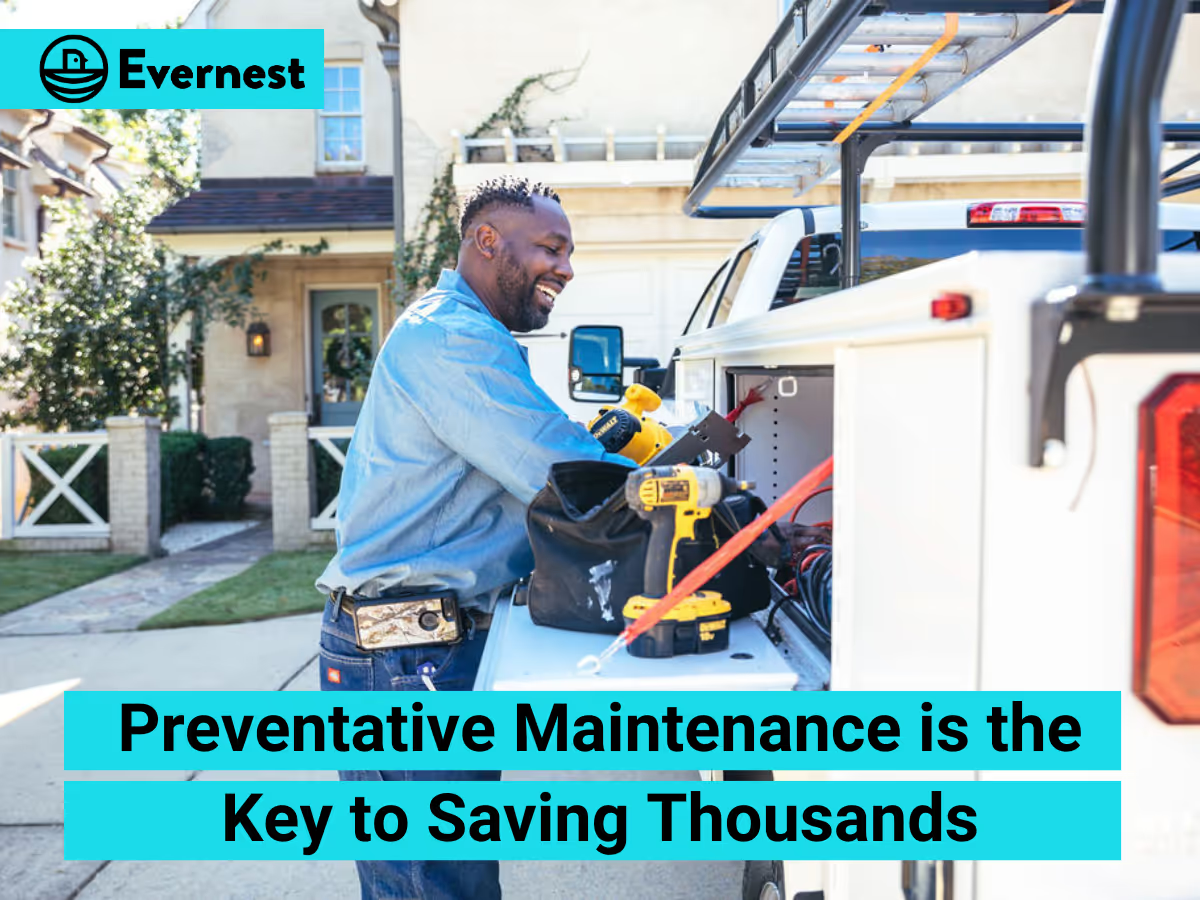
Preventative Maintenance is the Key to Saving Thousands
In this article, we’ll cover exactly how to plan for preventative maintenance tasks and which key areas to focus on throughout a rental property. Let’s get started!
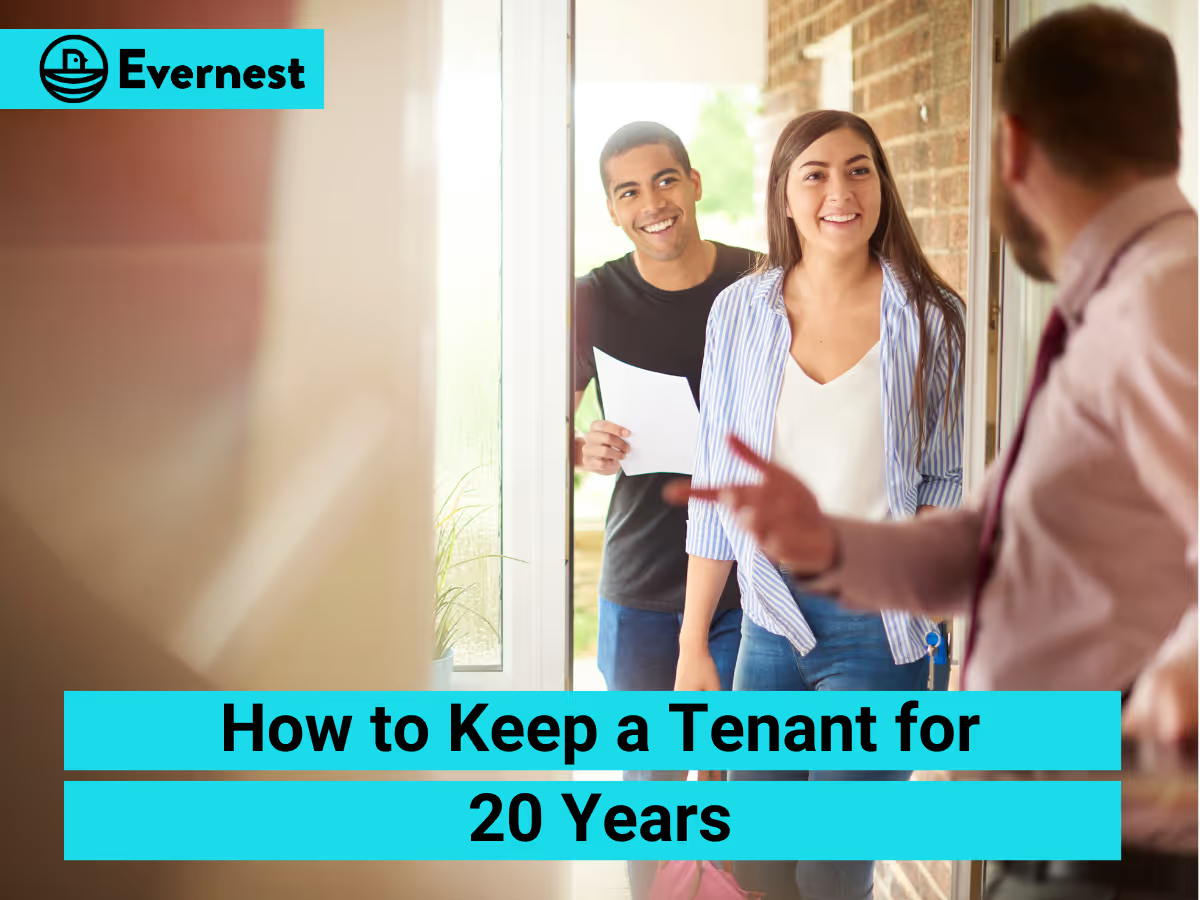
How to Keep a Resident for 20 Years
Keeping a resident long-term is a tall order. That’s because maintenance issues, rent increases, poor management, better opportunities, and personal life change can all lead any resident to potentially end their lease rather than renew. But it’s definitely in your best interest as a landlord to do all you can to maintain a positive, long-term relationship with great tenants.
Landlord Benefits of Annual Property Inspections
In this article, we’ll explore the value of conducting these annual inspections for you and your property. Let’s get started!